Case Western Reserve University · Department of Biomedical Engineering Cleveland, Ohio
Pulliam LabWearable Sensing & Assistive Neurotechnology

Wearable Sensing and Assistive Neurotechnology

Measuring movement where people live, to guide care where it matters.

We develop wearable and multimodal sensing systems, machine learning methods and clinical decision support tools for people with Parkinson's disease, stroke and spinal cord injury.

About the lab

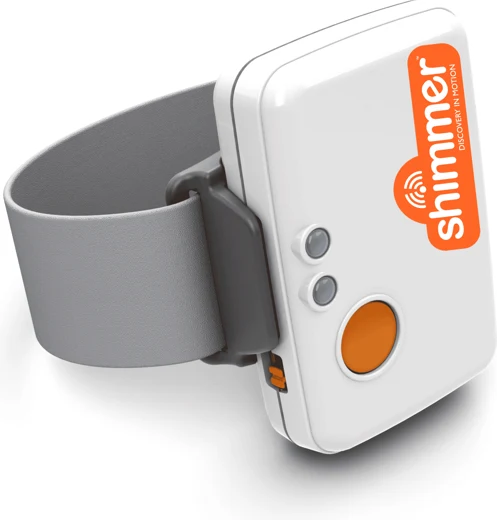
A clinic exam captures a few minutes of a person's movement; a symptom diary captures what they remember. Neither shows the context and timing that matter most for guiding therapy. Our lab combines wearable inertial sensors, eye tracking and other signals with machine learning to capture what happens between visits, and to turn it into information clinicians and patients can act on.

The lab is led by Dr. Christopher Pulliam, who brings years of medical device industry experience and more than 40 U.S. patents to the question of how sensing and AI can earn a place in routine clinical care.

Recent news

All news
  • Sep 25, 2026

    Nick presents at Midwest ASB 2026

    Oral presentation on estimating trunk compensation after stroke from wrist-worn sensors.

  • Aug 28, 2026

    Rebecca presents at seminar series

    Update on multimodal sensing for freezing-of-gait detection.

  • Aug 18, 2026

    NIH/NIBIB Trailblazer R21 awarded

    Freezing-of-gait detection for adaptive cueing, with James Liao, MD, PhD, Cleveland Clinic.

Home / Research

Research

Our work spans patient monitoring, clinical decision support and "smart" therapies. We focus on technologies that work in daily life and hold up across people, studies and settings.

Wearable technologies

Consumer and custom sensors that follow symptoms through daily life.

Multimodal sensing

Fusing motion with gaze, video and physiological signals for context.

Machine learning & AI

Generative models and augmentation for detectors that generalize.

Clinical decision support

Objective measures that help clinicians choose and time treatment.

Assistive technologies

Well-timed cues and interventions that help people move better.

Parkinson's disease

Detecting freezing of gait, and knowing when to cue

Freezing of gait is a sudden inability to start or continue walking, often during turns or in narrow spaces. It increases the risk of falls and reduces independence, and it responds poorly to traditional treatments. Visual and rhythmic cues can help, but cues that are always on become noise. The engineering challenge is timing: triggering a cue at the right moment while avoiding false alarms.

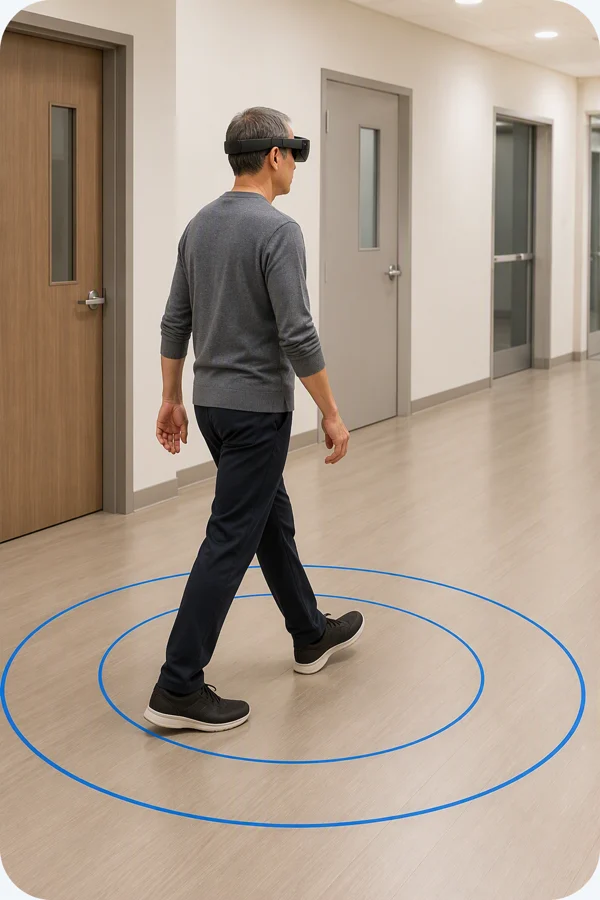
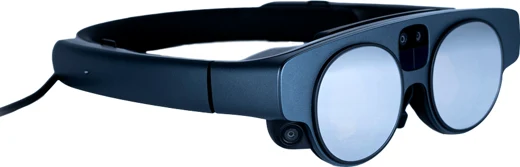
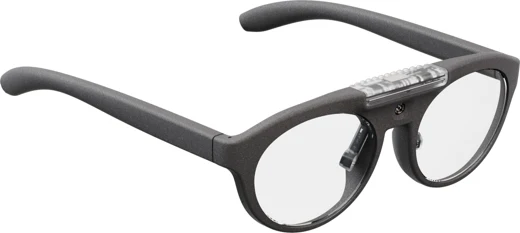
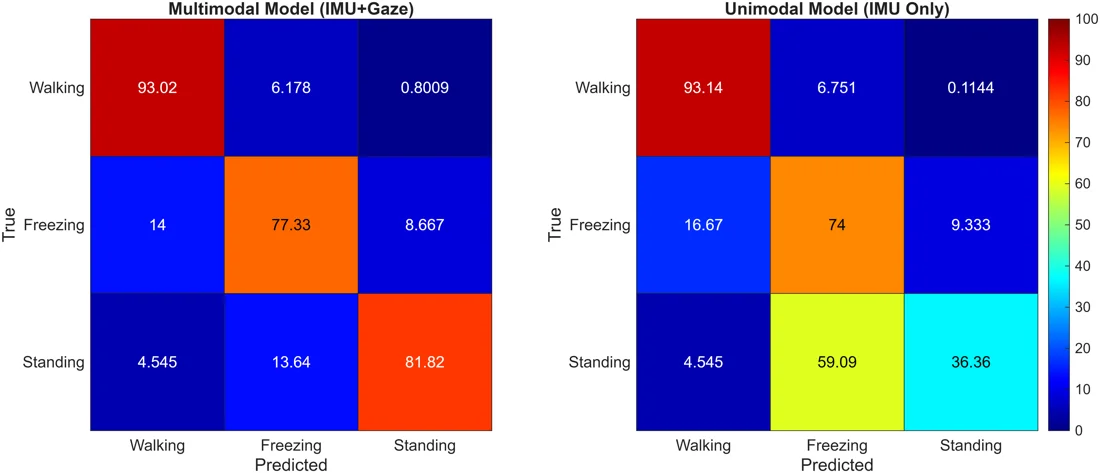
Motion data alone struggles to tell a freeze from standing still. Because eye behavior also changes with freezing, we combine wearable inertial sensors with eye tracking, with the goal of delivering augmented-reality cues only when they're needed.

Project in progress · Funding: NIH/NIBIB Trailblazer R21 (R21EB039456, 2026–2029), MPI with James Liao, MD, PhD, Cleveland Clinic Neurological Institute

Confusion matrices comparing a multimodal IMU plus gaze model to an IMU-only model for walking, freezing and standing
Classification of walking, freezing and standing with a multimodal (IMU + gaze) model, left, and an IMU-only model, right.
Machine learning

Synthetic sensor data for models that generalize

Freezing is episodic, study samples are small, and training datasets are heavily imbalanced. As a result, detection models often fail to translate from one study to the next. The same problem appears in stroke activity recognition across individuals.

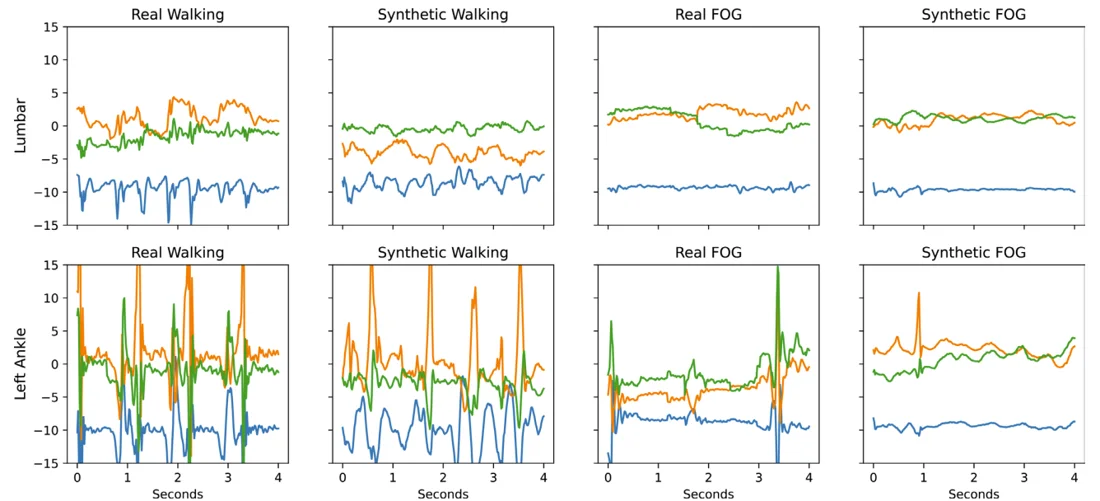
Borrowing an approach that has worked in medical imaging, we train generative models that learn the distribution of plausible movement and sample from it to fill gaps in training data. We began with generative adversarial networks for Parkinsonian gait and post-stroke reaching. This work continues under our NIH/NIBIB Trailblazer R21, where we're developing generative AI models, including conditional diffusion models, to synthesize high-fidelity inertial sensor data of freezing and walking for training more robust freezing detectors.

Key result: augmented training raised post-stroke activity recognition accuracy on held-out subjects from 66% to 80%.

Published: Hadley & Pulliam, IEEE EMBC, 2024 · Hadley & Pulliam, Sensors, 2024
Ongoing: NIH/NIBIB Trailblazer R21 (R21EB039456, 2026–2029)

Real and synthetic lumbar and ankle accelerometer signals during walking and freezing
Real and GAN-generated accelerometer signals during walking and freezing of gait.
Stroke rehabilitation

How much versus how well: trunk compensation from the wrist

Most wearable monitoring after stroke counts how much the affected arm moves, not how well. Many survivors reach by recruiting the trunk to make up for limited shoulder and elbow movement, a compensation that can limit long-term recovery. Measuring it today requires motion capture or multi-sensor setups that don't leave the lab.

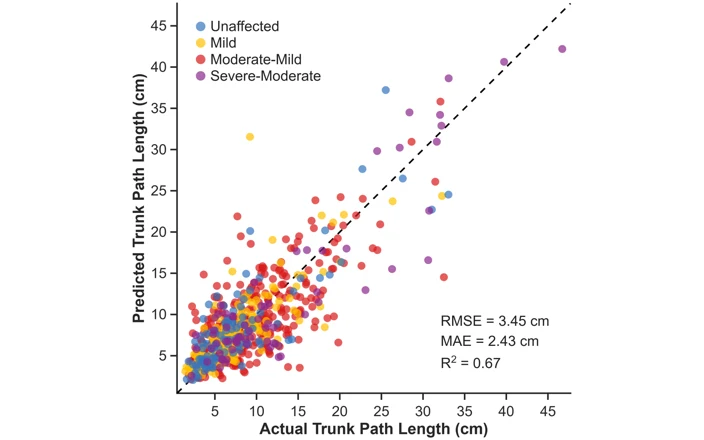
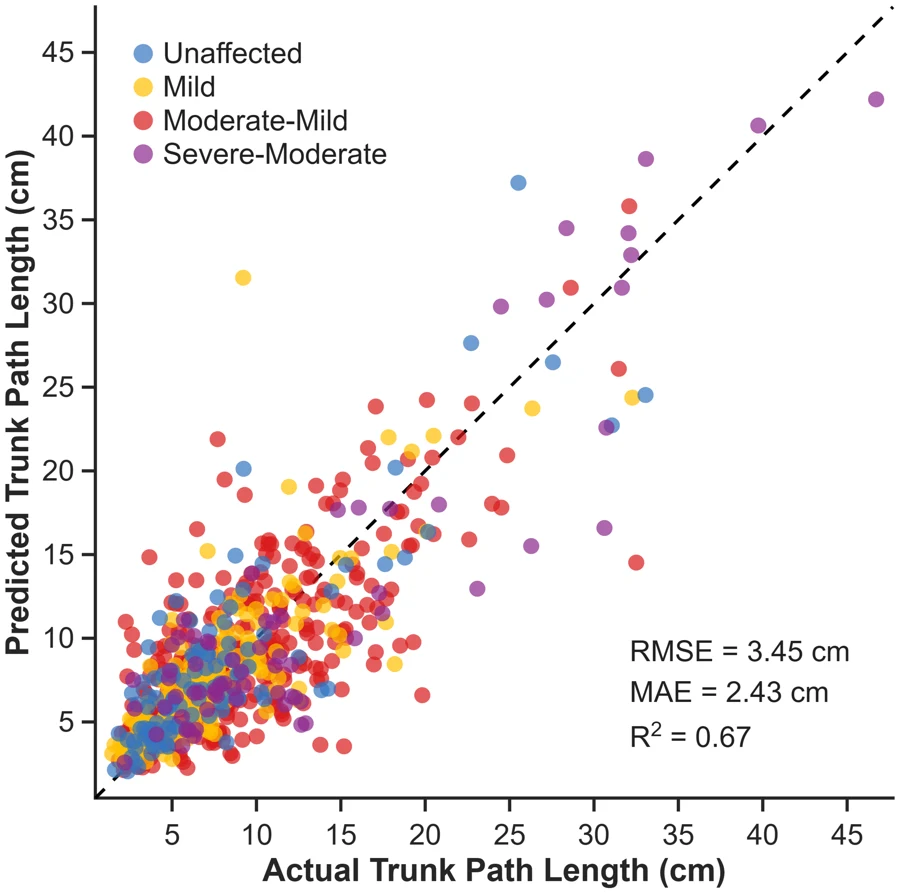
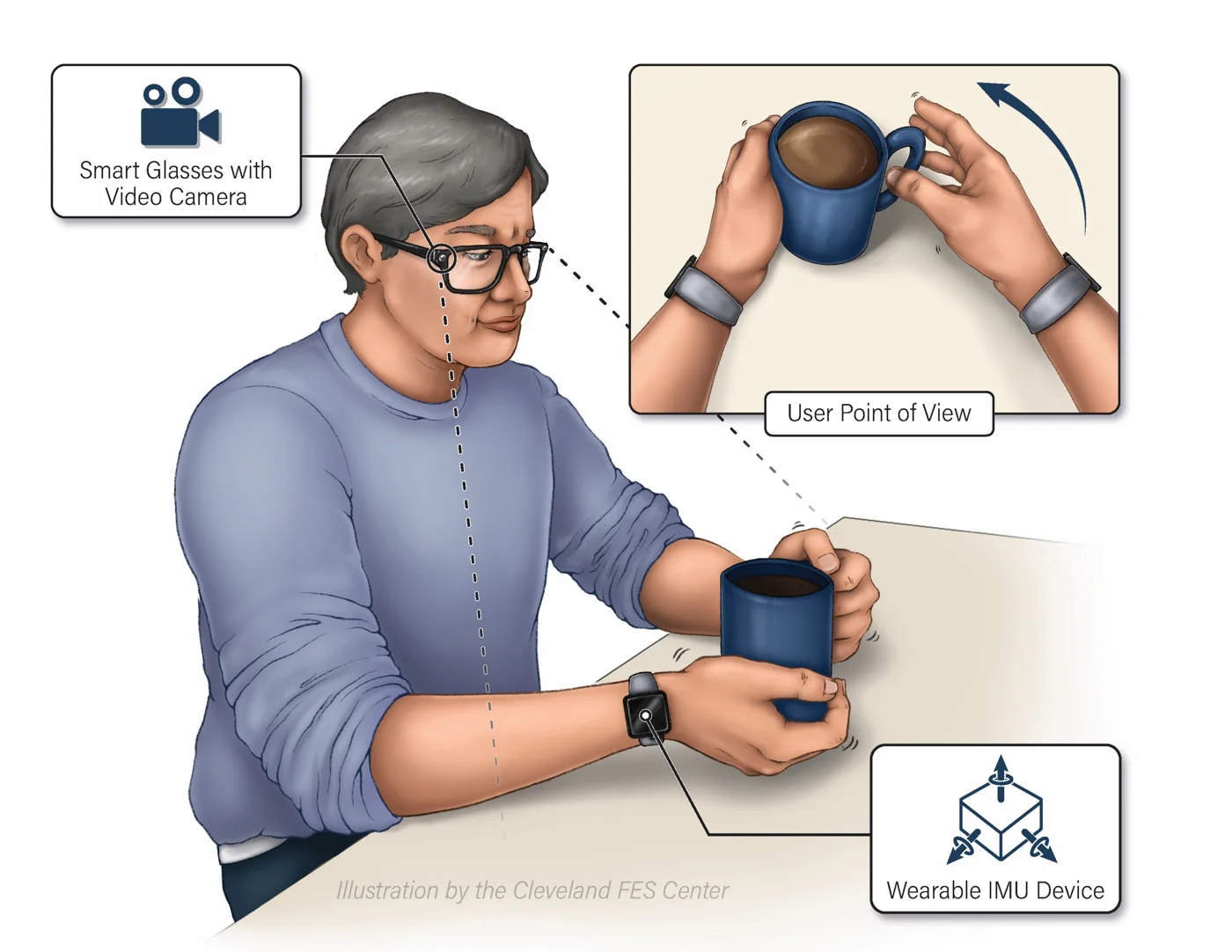
We're testing whether deep learning models (CNN, LSTM and hybrid CNN-LSTM) applied to signals from wrist-worn inertial sensors, the same placement used by consumer activity trackers, can estimate a continuous measure of trunk involvement during reach-to-grasp tasks. We're also examining how individual differences in wrist and trunk coordination affect how well these models generalize to new users.

Project in progress

Scatter plot of trunk path length predicted from wrist-worn sensors versus actual trunk path length, colored by impairment level
Trunk path length estimated from bilateral wrist-worn sensors compared with motion-capture measurements, colored by impairment level.

Research support

NIH / NIBIBR21EB039456 · 2026–2029

Feasibility of a Novel Freezing of Gait Detection Framework for Adaptive Cueing in Parkinson's Disease

Trailblazer R21 Award. Multiple principal investigators: Christopher Pulliam, PhD (contact), Case Western Reserve University, and James Liao, MD, PhD, Cleveland Clinic Neurological Institute.

View on NIH RePORTER
Home / People

People

Christopher Pulliam
Principal Investigator

Christopher Pulliam, Ph.D.

Assistant Professor, Department of Biomedical Engineering, Case Western Reserve UniversityBiomedical Engineer, Louis Stokes Cleveland VA Medical Center

Dr. Pulliam develops technologies for assessing motor function in people with neurological disease or injury, and clinical decision support systems that help clinicians select treatments and time them to maximize recovery.

He received his B.S., M.S. and Ph.D. in biomedical engineering from Case Western Reserve University. He then worked in the medical device industry at Great Lakes NeuroTechnologies and Medtronic Neuromodulation, where he guided projects from conception to commercialization and contributed to Class II and III medical devices. He is a named inventor on more than 40 U.S. patents.

At the Cleveland FES Center, he serves as the primary contact for industrial relations, strengthening partnerships between Center investigators and industry. He teaches technical electives in the biomechanics and devices tracks.

Lab members

Graduate students

Nicholas Nazak

Nicholas Nazak

Ph.D. Candidate

Estimating compensatory movement after stroke from wrist-worn inertial sensors and egocentric video.

LinkedIn
Rebecca Stinson

Rebecca Stinson

Ph.D. Candidate

Multimodal sensing for detecting freezing of gait in Parkinson's disease.

LinkedIn

Join us

We're looking for M.S. and undergraduate students interested in wearable sensing, machine learning and neurorehabilitation.

See opportunities

Undergraduate students

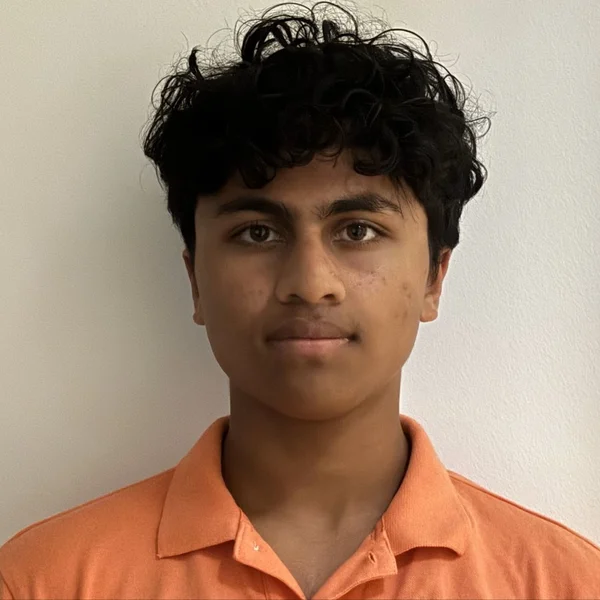
Hrishikesh Hemadri

Hrishikesh Hemadri

Undergraduate Researcher
LinkedIn
Esha Bagora

Esha Bagora

Undergraduate Researcher
LinkedIn

Alumni

  • William Kozak, M.S.

    Now: Research Engineer, The MetroHealth System

    LinkedIn
  • Hao-En Lu, M.S.

    Now: Data Scientist, UPMC

    LinkedIn
  • Ramya Thiyagarajan, M.S.

    LinkedIn
  • Mobai (James) Jiang, B.S.

    Now: M.S. candidate in Biomedical Engineering, Johns Hopkins University

    LinkedIn
  • Sai (Charm) Yelampalli

    Now: Undergraduate student in Electrical Engineering, Case Western Reserve University

    LinkedIn
  • Andrew Peters Okello

    Now: M.S. student in Computer Science, Makerere University

Collaborators

Our work depends on close partnerships with clinicians, scientists and engineers across Cleveland and beyond. Current and recent collaborators include:

  • Bolu Ajiboye, PhD

    Professor and Chair, Biomedical Engineering, CWRU

    Biomedical Engineer, Louis Stokes Cleveland VA Medical Center

  • Jay Alberts, PhD

    Staff, Biomedical Engineering, Cleveland Clinic

  • Anne Bryden, PhD, OTR/L

    Associate Professor, Physical Medicine and Rehabilitation, The MetroHealth System

  • Gourav Datta, PhD

    Assistant Professor, Computer and Data Science, CWRU

  • Aaron Hadley, PhD

    Data Scientist, Hadley Research

  • Jayme Knutson, PhD

    Senior Staff Scientist, Physical Medicine and Rehabilitation, The MetroHealth System

    Professor, Physical Medicine and Rehabilitation, CWRU

  • James Liao, MD, PhD

    Associate Staff, Movement Disorders Neurology, Cleveland Clinic Neurological Institute

    Assistant Professor, Cleveland Clinic Lerner College of Medicine of CWRU

  • Lisa Lombardo, MPT

    Research Physical Therapist, Louis Stokes Cleveland VA Medical Center

  • Nathan Makowski, PhD

    Staff Scientist, Physical Medicine and Rehabilitation, The MetroHealth System

    Associate Professor, Physical Medicine and Rehabilitation, CWRU

  • Jessica McCabe, MPT, DPT

    Research Physical Therapist, Louis Stokes Cleveland VA Medical Center

  • Svetlana Pundik, MD

    Staff Neurologist, Louis Stokes Cleveland VA Medical Center

    Professor, Neurology, CWRU

  • Aasef Shaikh, MD, PhD

    Staff Neurologist, Louis Stokes Cleveland VA Medical Center

    Professor, Neurology, CWRU

    Movement Disorder Neurologist, Neurology, University Hospitals
Home / Publications

Publications

Selected peer-reviewed publications and patents. For a complete list, see Google Scholar.

2026

  1. Zhou C, Lee B, Jia Z, Yu H, Chen X, Pulliam CL, Majerus SJA, Pedram M, Hnat S, Datta G. Agentic multimodal sensing for energy-efficient fall detection in powered exoskeletons for spinal cord injury. Proc. 2026 IEEE/ACM Conference on Connected Health: Applications, Systems and Engineering Technologies (CHASE), pp. 529–534.
  2. Pulliam CL, Chen J, Liao JY. Integrating eye tracking and inertial sensing for enhanced freezing of gait detection in Parkinson's disease. European Journal of Neuroscience. doi:10.1111/ejn.70472
  3. Lombardo L, Heidorn CE, Pulliam C, Miller M, Hoyen H, Kilgore K, Triolo R, Makowski N. Alleviating hypotension with implanted peripheral nerve stimulation for seated stabilization: a case report in SCI. American Journal of Physical Medicine & Rehabilitation. doi:10.1097/PHM.0000000000002809

2024

  1. Hadley AJ, Pulliam CL. Enhancing activity recognition after stroke: generative adversarial networks for kinematic data augmentation. Sensors 24(21):6861. doi:10.3390/s24216861
  2. Hadley AJ, Pulliam CL. Simulating accelerometer signals of Parkinson's gait using generative adversarial networks. Proc. IEEE Engineering in Medicine and Biology Society (EMBC). doi:10.1109/EMBC53108.2024.10781879

2020

  1. Pulliam CL, Stanslaski SR, Denison TJ. Industrial perspectives on brain-computer interface technology. Handbook of Clinical Neurology 168. doi:10.1016/B978-0-444-63934-9.00025-1

2018

  1. Pulliam CL, Heldman DA, Brokaw EB, Mera TO, Mari ZK, Burack MA. Continuous assessment of levodopa response in Parkinson's disease using wearable motion sensors. IEEE Transactions on Biomedical Engineering 65(1). doi:10.1109/TBME.2017.2697764
  2. Vittal P, Pulliam CL, Goetz CG, Ouyang B, Jankovic J, Ramirez-Castaneda JL, Heldman DA. Does added objective tremor monitoring improve clinical outcomes in essential tremor treatment? Movement Disorders Clinical Practice 5(1). doi:10.1002/mdc3.12554

2016

  1. Heldman DA, Pulliam CL, Urrea Mendoza E, Gartner M, Giuffrida JP, Montgomery EB Jr, Espay AJ, Revilla FJ. Computer-guided deep brain stimulation programming for Parkinson's disease. Neuromodulation 19(2). doi:10.1111/ner.12372

2015

  1. Pulliam CL, Heldman DA, Orcutt TH, Mera TO, Giuffrida JP, Vitek JL. Motion sensor strategies for automated optimization of deep brain stimulation in Parkinson's disease. Parkinsonism & Related Disorders 21(4). doi:10.1016/j.parkreldis.2015.01.018

2014

  1. Pulliam CL, Burack MA, Heldman DA, Giuffrida JP, Mera TO. Motion sensor dyskinesia assessment during activities of daily living. Journal of Parkinson's Disease 4(4). doi:10.3233/JPD-140348
  2. Pulliam CL, Eichenseer SR, Goetz CG, Waln O, Hunter CB, Jankovic J, Vaillancourt DE, Giuffrida JP, Heldman DA. Continuous in-home monitoring of essential tremor. Parkinsonism & Related Disorders 20(1). doi:10.1016/j.parkreldis.2013.09.009

2012

  1. Pulliam CL, Lambrecht JM, Kirsch RF. User-in-the-loop continuous and proportional control of a virtual prosthesis in a posture matching task. Proc. IEEE EMBC. doi:10.1109/EMBC.2012.6346734

2011

  1. Pulliam CL, Lambrecht JM, Kirsch RF. Electromyogram-based neural network control of transhumeral prostheses. Journal of Rehabilitation Research and Development 48(6). doi:10.1682/jrrd.2010.12.0237
  2. Lambrecht JM, Pulliam CL, Kirsch RF. Virtual reality environment for simulating tasks with a myoelectric prosthesis: an assessment and training tool. Journal of Prosthetics and Orthotics 23(2). doi:10.1097/JPO.0b013e318217a30c

Conference presentations

2026

  1. Nazak NC, Stinson RJ, Pulliam CL. Estimating Trunk Movement as a Marker of Compensation After Stroke from Wrist-Worn Inertial Sensors. Oral presentation, 2026 Midwest American Society of Biomechanics Meeting, Cleveland, OH.
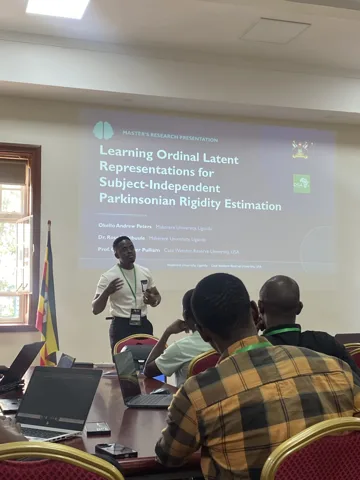
  2. Okello AP, Nakibuule R, Pulliam CL. Learning Ordinal Latent Representations for Subject-Independent Parkinsonian Rigidity Estimation. Oral presentation, Data Science Africa 2026, Kampala, Uganda.

2025

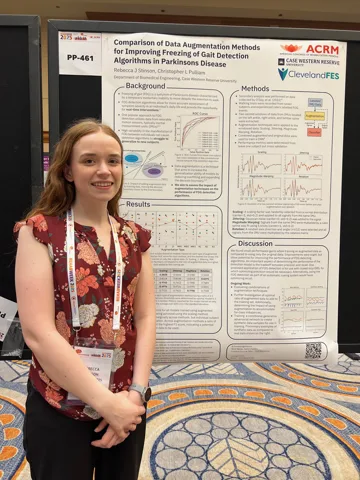
  1. Stinson RJ, Pulliam CL. Comparison of Data Augmentation Methods for Improving Freezing of Gait Detection Algorithms in Parkinson Disease. Poster, American Congress of Rehabilitation Medicine – RehabWeek 2025, Chicago, IL.
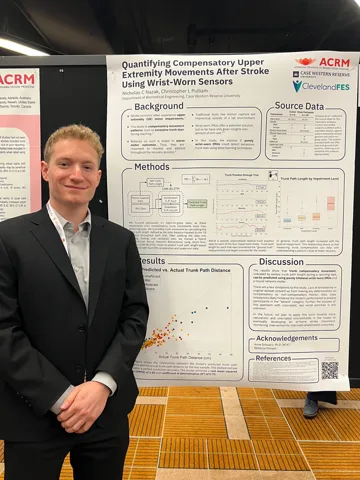
  2. Nazak NC, Pulliam CL. Quantifying Compensatory Upper Extremity Movements After Stroke Using Wrist-Worn Sensors. Poster, American Congress of Rehabilitation Medicine – RehabWeek 2025, Chicago, IL.

Selected patents

TitleAssigneeU.S. patent numbers
Movement disorder therapy system, devices and methods, and intelligent methods of tuningGreat Lakes NeuroTechnologies9,211,417; 9,717,920; 10,478,626; 11,383,087; 12,409,323
Movement disorder therapy system and methods of tuning remotely, intelligently and/or automaticallyGreat Lakes NeuroTechnologies9,238,142; 9,522,278; 10,092,754; 12,654,011
Artificial intelligence systems for quantifying movement disorder symptoms and adjusting treatment based on symptom quantificationGreat Lakes NeuroTechnologies10,974,049; 11,975,195
Pain quantification and management system and deviceGreat Lakes NeuroTechnologies9,782,122; 10,383,571; 11,123,562
Adaptive deep brain stimulation using frequency sub-bandsMedtronic10,953,222
Signal-based automated deep brain stimulation programmingMedtronic11,318,296
Stimulation induced neural response for parameter selectionMedtronic12,168,133
Hysteresis compensation for detection of ECAPsMedtronic12,186,566
Home / News

News

  • Sep 25, 2026

    Nick presents at Midwest ASB 2026

    Nick Nazak gave an oral presentation, "Estimating Trunk Movement as a Marker of Compensation After Stroke from Wrist-Worn Inertial Sensors," at the 2026 Midwest American Society of Biomechanics meeting. Session: Wearable & Sensor-Based Biomechanics, Friday, September 25, 2:30–3:30 PM, Wolstein Center, Room 410.

  • Aug 28, 2026

    Rebecca presents at the Neural Engineering Center Seminar Series

    Rebecca Stinson presented an update on her work and planned experiments on multimodal sensing for freezing-of-gait detection.

  • Aug 18, 2026

    NIH/NIBIB Trailblazer R21 awarded

    Our project, "Feasibility of a Novel Freezing of Gait Detection Framework for Adaptive Cueing in Parkinson's Disease" (R21EB039456), was funded through the NIBIB Trailblazer program. Dr. Pulliam and James Liao, MD, PhD, of the Cleveland Clinic Neurological Institute are multiple principal investigators. View on NIH RePORTER

  • Aug 4, 2026

    Paper at IEEE/ACM CHASE 2026

    A collaborative paper on agentic multimodal sensing for energy-efficient fall detection in powered exoskeletons for spinal cord injury appeared at the 2026 IEEE/ACM Conference on Connected Health (CHASE).

  • Jul 31, 2026

    Nick presents at the Neural Engineering Center Seminar Series

    Nick Nazak presented an update on his work and planned experiments on egocentric video sensing for stroke assessment.

  • Jul 23, 2026

    Andrew presents at Data Science Africa 2026

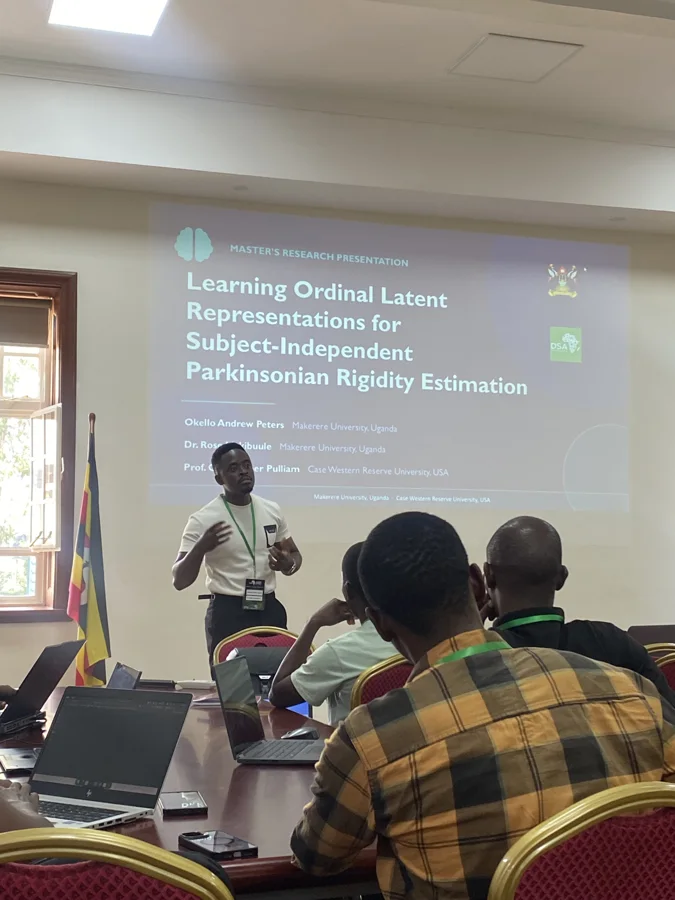
    Lab alumnus Andrew Peters Okello gave an oral presentation, "Learning Ordinal Latent Representations for Subject-Independent Parkinsonian Rigidity Estimation," at the Data Science Africa (DSA) 2026 Workshop at Makerere University in Kampala, Uganda.

    Andrew Peters Okello presenting at the Data Science Africa 2026 Workshop
  • Mar 27, 2026

    Eye tracking and inertial sensing improve freezing detection

    Our paper in the European Journal of Neuroscience shows that adding gaze to wearable motion data helps separate freezing from standing still. Read the paper

  • Jan 8, 2026

    Congratulations, Rebecca!

    Rebecca Stinson successfully defended her R21 proposal.

  • Dec 9, 2025

    Congratulations, Nick!

    Nick Nazak successfully defended his R21 proposal.

  • May 14, 2025

    Nick and Rebecca present at RehabWeek

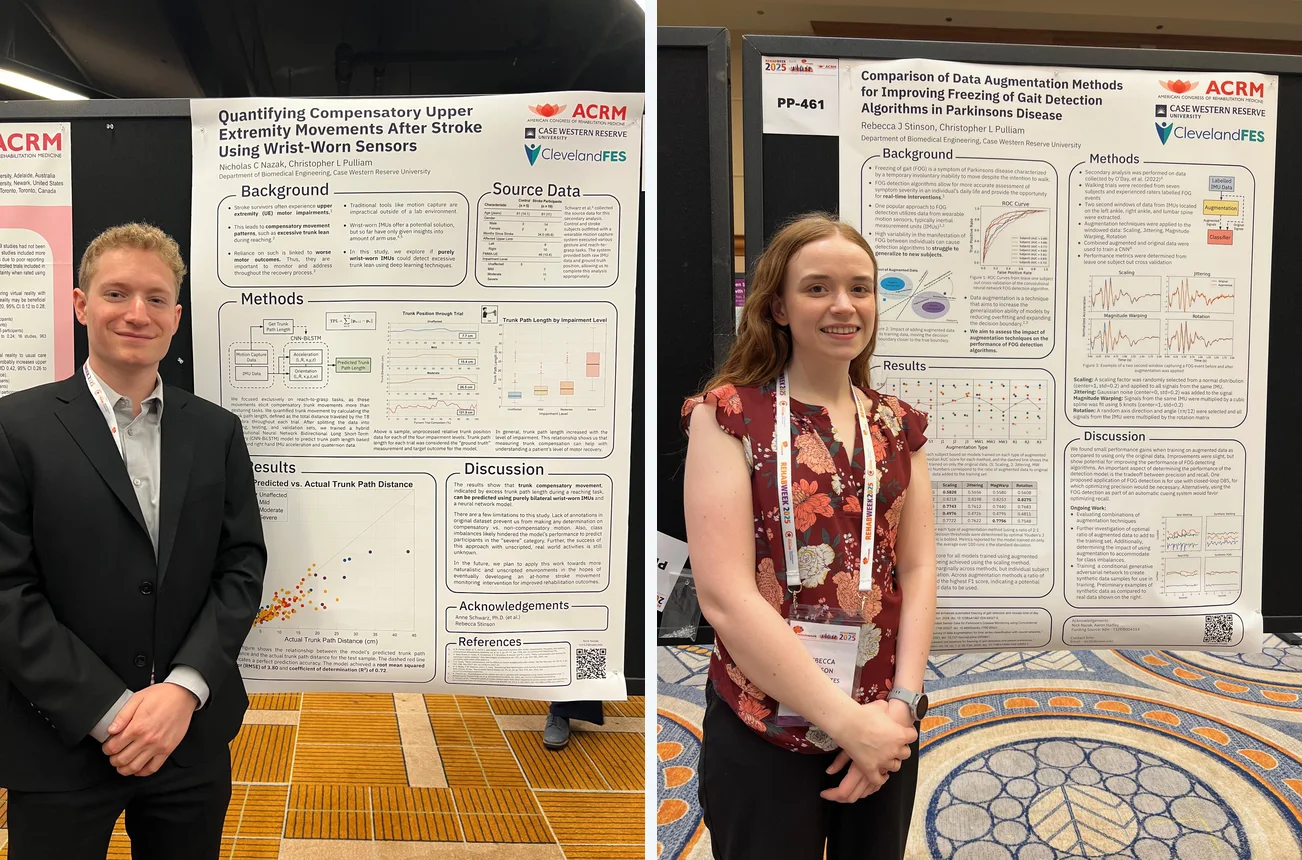
    Both presented posters at the ACRM section of RehabWeek 2025. Nick presented "Quantifying Compensatory Upper Extremity Movements After Stroke Using Wrist-Worn Sensors," and Rebecca presented "Comparison of Data Augmentation Methods for Improving Freezing of Gait Detection Algorithms in Parkinson's Disease."

    Nick Nazak with his poster at RehabWeek 2025Rebecca Stinson with her poster at RehabWeek 2025
  • Apr 8, 2025

    Nick earns NSF GRFP Honorable Mention

    Nick Nazak received an Honorable Mention in the 2025 U.S. National Science Foundation (NSF) Graduate Research Fellowship Program (GRFP) competition.

  • Oct 25, 2024

    Synthetic data improves stroke activity recognition

    Our paper in Sensors shows that GAN-based data augmentation improves recognition of upper-limb activities on held-out subjects. Read the paper

  • Jul 17, 2024

    Poster at IEEE EMBC 2024

    Dr. Pulliam presented a poster on simulating accelerometer signals of Parkinsonian gait with generative adversarial networks.

Home / Join & Contact

Join & Contact

We're currently looking for M.S. and undergraduate students who want to build technology that reaches patients.

Opportunities

M.S. students

CWRU M.S. students can join the lab for a thesis or research project. Email Dr. Pulliam with your research interests, relevant coursework or experience, and your CV.

Undergraduate students

CWRU undergraduates can join for research credit, a senior project or a summer project. Tell us which projects interest you and what you'd like to learn.

We're not recruiting Ph.D. students or postdocs at this time. Clinicians, therapists and industry partners interested in collaborating are always welcome to reach out.

Contact

Email

christopher [dot] pulliam [at] case [dot] edu

Office

Wickenden 115
Department of Biomedical Engineering
Case Western Reserve University
10900 Euclid Avenue
Cleveland, OH 44106